

Date Issued – 9th March 2026
Courtesy of the Research Department at Balfour Capital Group
Key Points
- Oil Shock Hits Global Markets: Crude surged toward $120 per barrel as the Strait of Hormuz disruption triggered supply fears and global equity markets declined.
- Iran Leadership Shift: Mojtaba Khamenei was named Iran’s new Supreme Leader, reinforcing hardline leadership during the ongoing conflict.
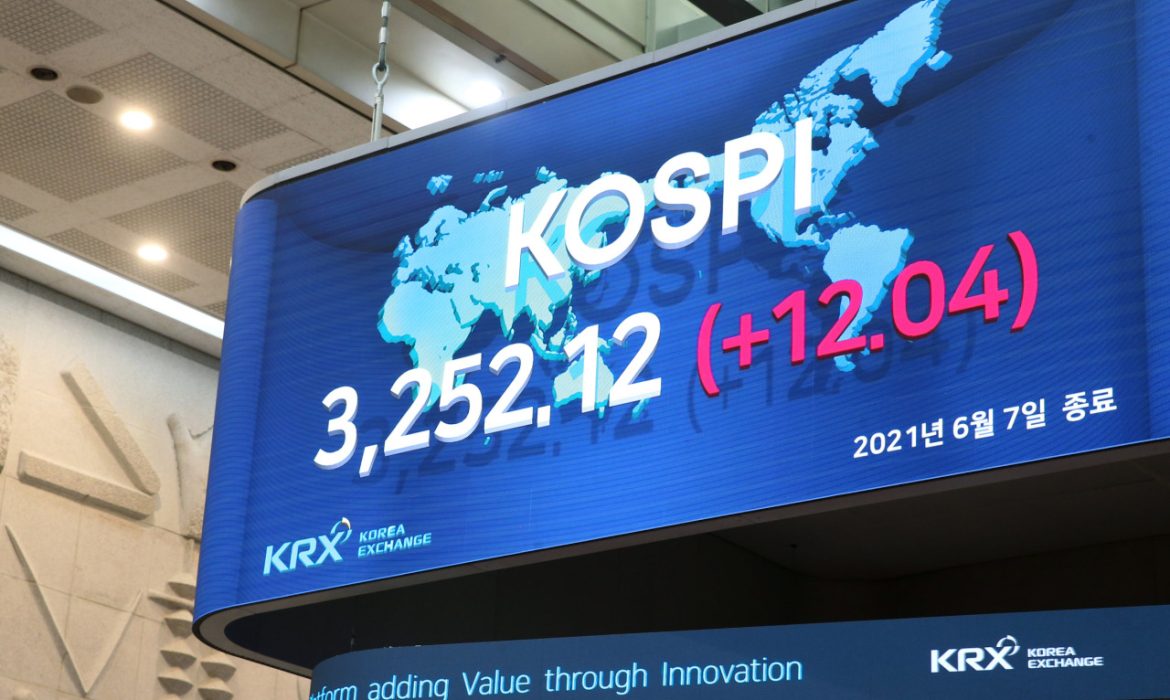
- Asia Markets Sell Off: South Korea’s Kospi plunged more than 8% and triggered a circuit breaker as rising oil prices rattled regional markets.
- China Inflation Rebounds: Consumer prices rose 1.3% year over year in February, the strongest increase in more than three years.
March Economic Calendar
- Mar 10 — U.S. Consumer Price Index (CPI): Key inflation gauge shaping Federal Reserve rate expectations.
- Mar 11 — China Industrial Production: Indicator of manufacturing strength and export demand.
- Mar 12 — U.S. Initial Jobless Claims: Weekly labor market data closely watched for signs of economic slowing.
- Mar 13 — U.S. Producer Price Index (PPI): Measures wholesale inflation pressures across supply chains.
- Mar 14 — U.S. Consumer Sentiment Index: Tracks household confidence and future spending outlook.
Asia Markets Tumble as Oil Prices Surge Toward $120
Asian equity markets fell sharply as oil prices surged and geopolitical tensions intensified. South Korea’s Kospi dropped more than 8%, triggering a circuit breaker and forcing a temporary halt in trading. Technology stocks led the selloff, with semiconductor companies posting some of the largest declines.
Japan’s Nikkei 225 fell over 6%, while Hong Kong’s Hang Seng index and Australia’s S&P/ASX 200 also posted steep losses. The regional decline followed a dramatic surge in energy prices, with Brent crude jumping nearly 28% and West Texas Intermediate climbing roughly 30%.
The spike in oil prices reflects supply disruptions after major Middle Eastern producers cut output amid the closure of the Strait of Hormuz, raising concerns that prolonged energy shocks could weigh on global growth.
Iran Names Mojtaba Khamenei as Supreme Leader Amid Escalating Conflict
Iran has appointed Mojtaba Khamenei, the son of the late Ayatollah Ali Khamenei, as the country’s new Supreme Leader following his father’s death during the early stages of the conflict. The leadership transition consolidates power among Iran’s hardline factions and places Mojtaba Khamenei in control of the country’s political and military apparatus.
The announcement comes as the war continues to expand across the region. Iran has launched missile and drone strikes across several Gulf countries, including the UAE, Bahrain and Kuwait, damaging infrastructure and raising security concerns across the Middle East.
Energy markets reacted immediately to the escalation. Oil prices surged above $100 per barrel after major producers reduced output and shipping disruptions effectively closed the Strait of Hormuz, a key corridor responsible for roughly one-fifth of global oil supply.
China Inflation Hits Three-Year High as Deflation Pressures Ease
China’s consumer inflation rose to its highest level in more than three years as holiday spending boosted domestic demand. The consumer price index increased 1.3% year over year in February, exceeding economists’ expectations and marking the strongest inflation reading since early 2023.
Core inflation climbed 1.8%, while the producer price index declined 0.9%, showing factory-gate deflation easing as commodity costs increased. The data suggests tentative stabilization in China’s economy, although policymakers remain cautious as weak consumer confidence and global uncertainty continue to weigh on growth.
Conclusion
Markets are facing a complex mix of geopolitical escalation, commodity price shocks and shifting macroeconomic signals. The surge in oil prices tied to the Middle East conflict has introduced a significant risk premium into global energy markets, raising concerns about inflation and economic growth if disruptions persist.
At the same time, China’s rising consumer inflation and easing factory deflation suggest tentative stabilization in the world’s second-largest economy. With global equities reacting sharply to energy volatility and geopolitical uncertainty, near-term market direction will likely depend on developments in the conflict, oil supply conditions and upcoming economic data.
Investment Insights
- Energy Price Shock: Oil approaching $120 adds inflation pressure and supports energy producers while increasing recession risk for global economies.
- Geopolitical Volatility: The leadership transition in Iran and expanding conflict are likely to keep markets sensitive to geopolitical developments.
- Asia Market Sensitivity: Technology-heavy Asian markets remain particularly vulnerable to energy shocks and geopolitical disruptions.
- China Inflation Signals Stabilization: Rising CPI and moderating producer deflation suggest early signs of demand recovery in China.
Disclaimer: This newsletter provides financial insights for informational purposes only. It does not constitute financial advice or recommendations for investment decisions.